
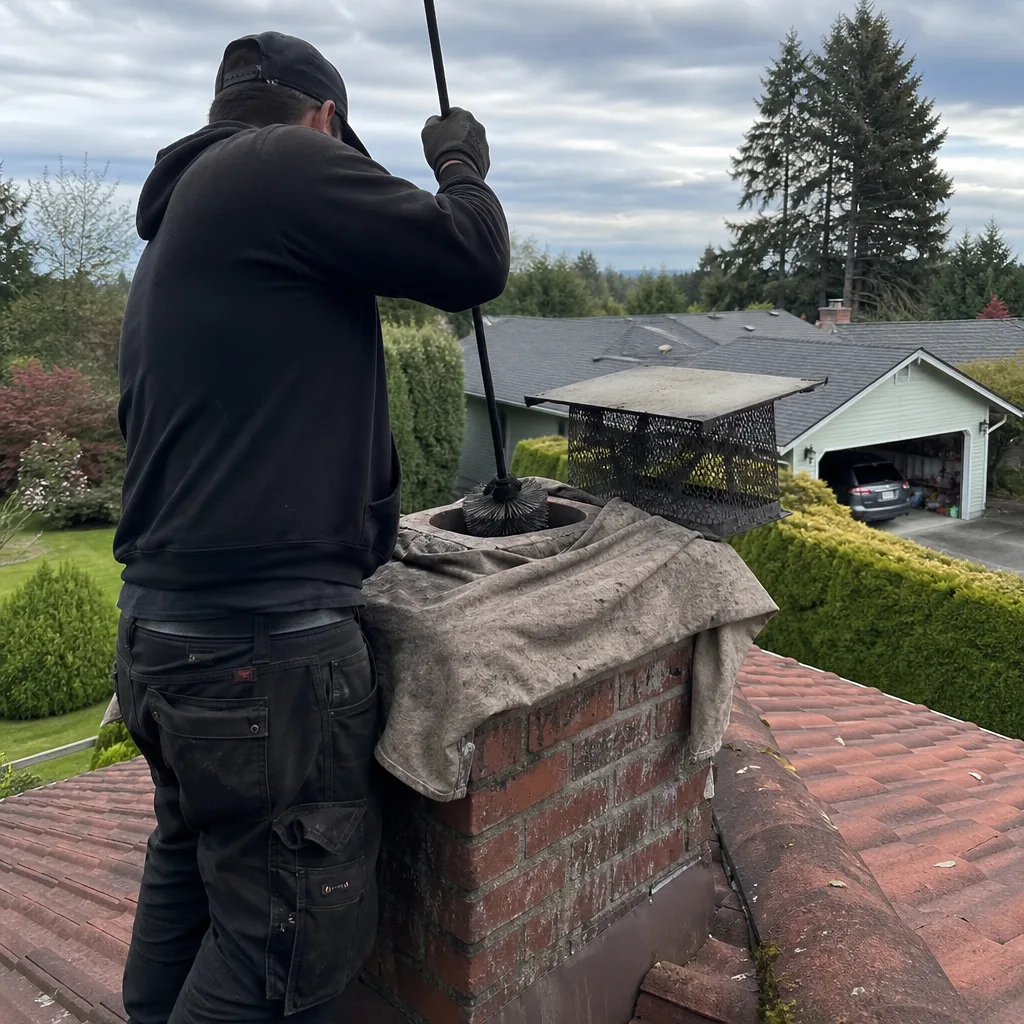
Level 1 sweep and inspection to the NFPA 211 annual standard - flue, crown, cap, and flashing checked and photographed
Chimney sweep logs do not sweep chimneys. They loosen some creosote - which then falls where a brush and vacuum still have to collect it.
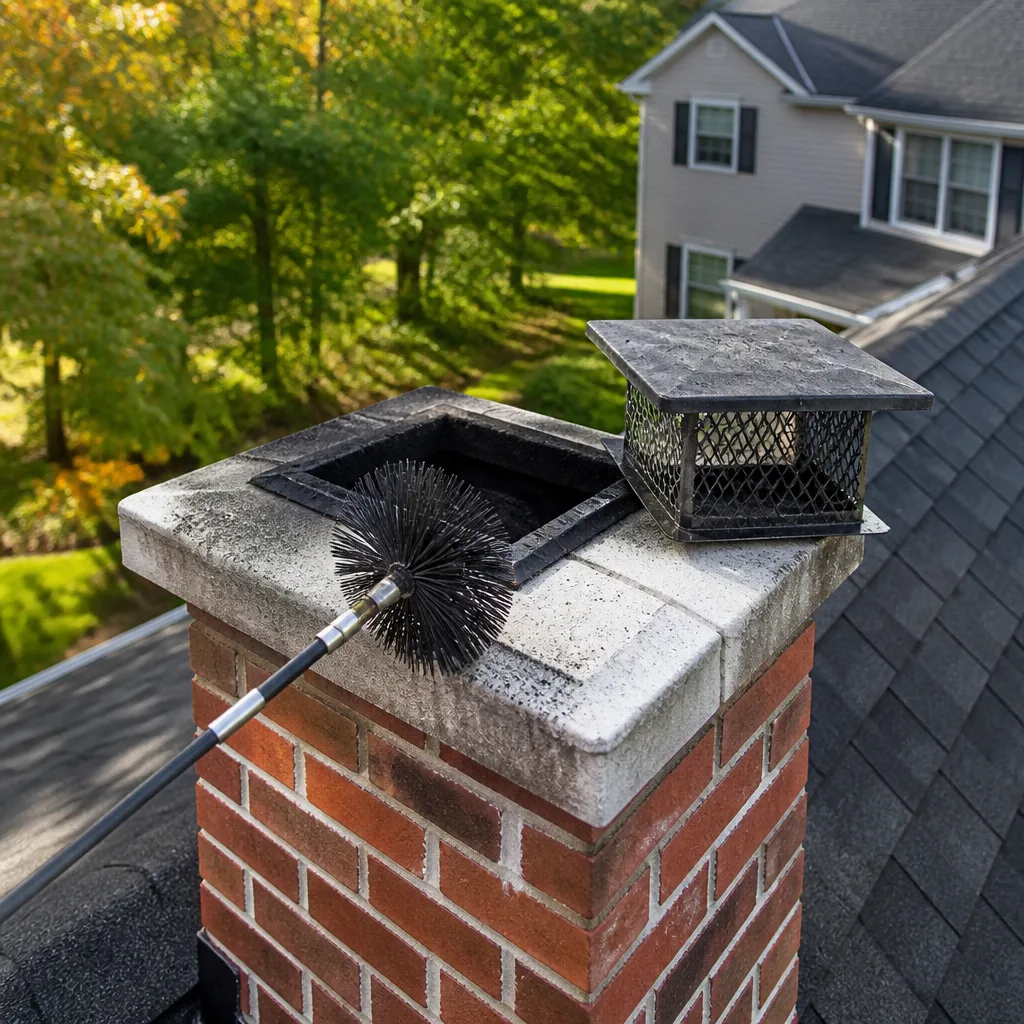
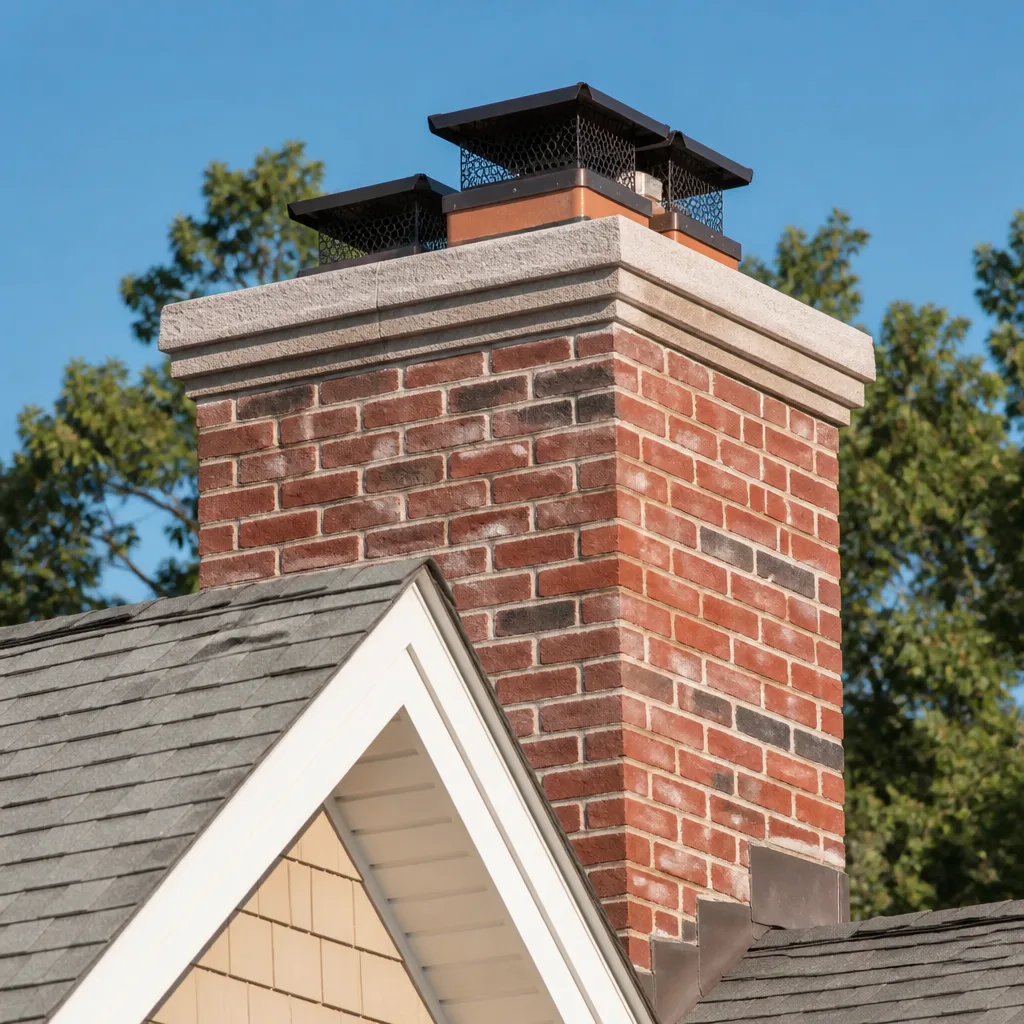
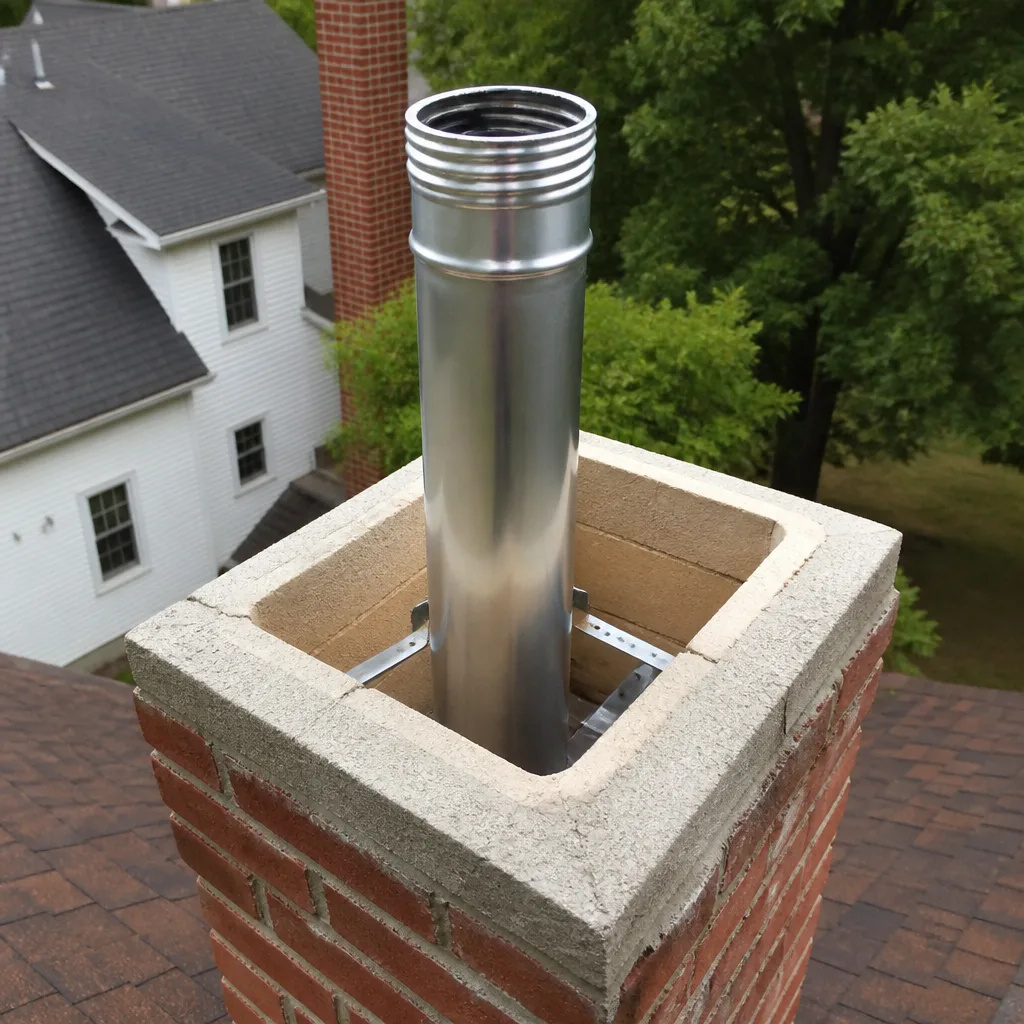
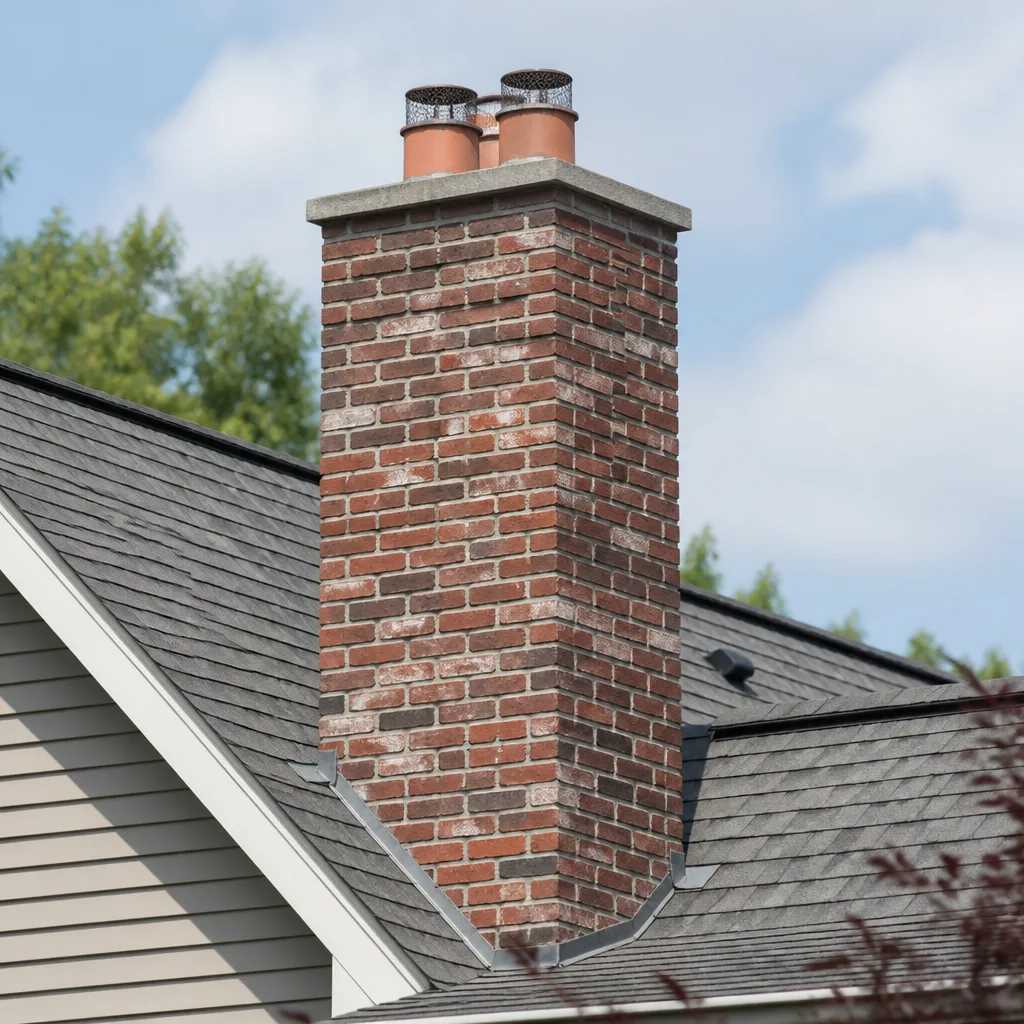
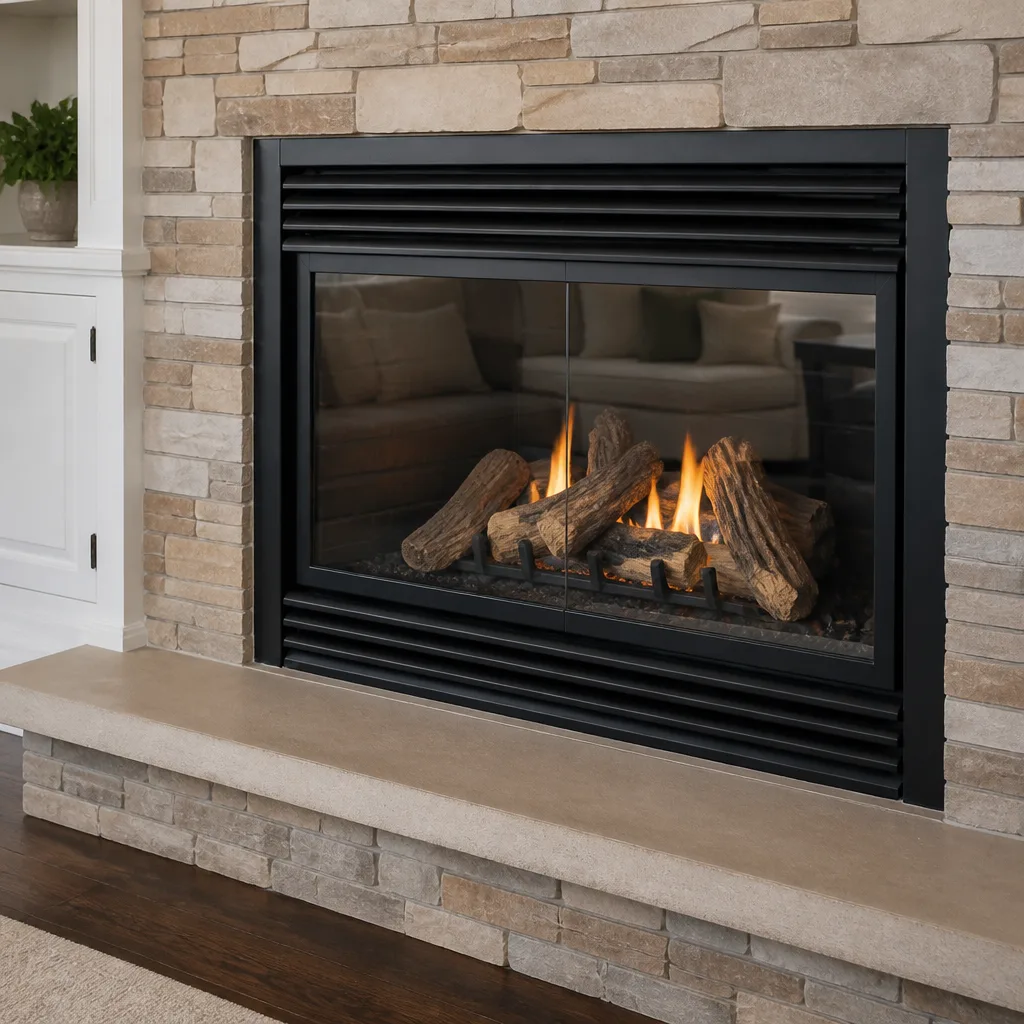
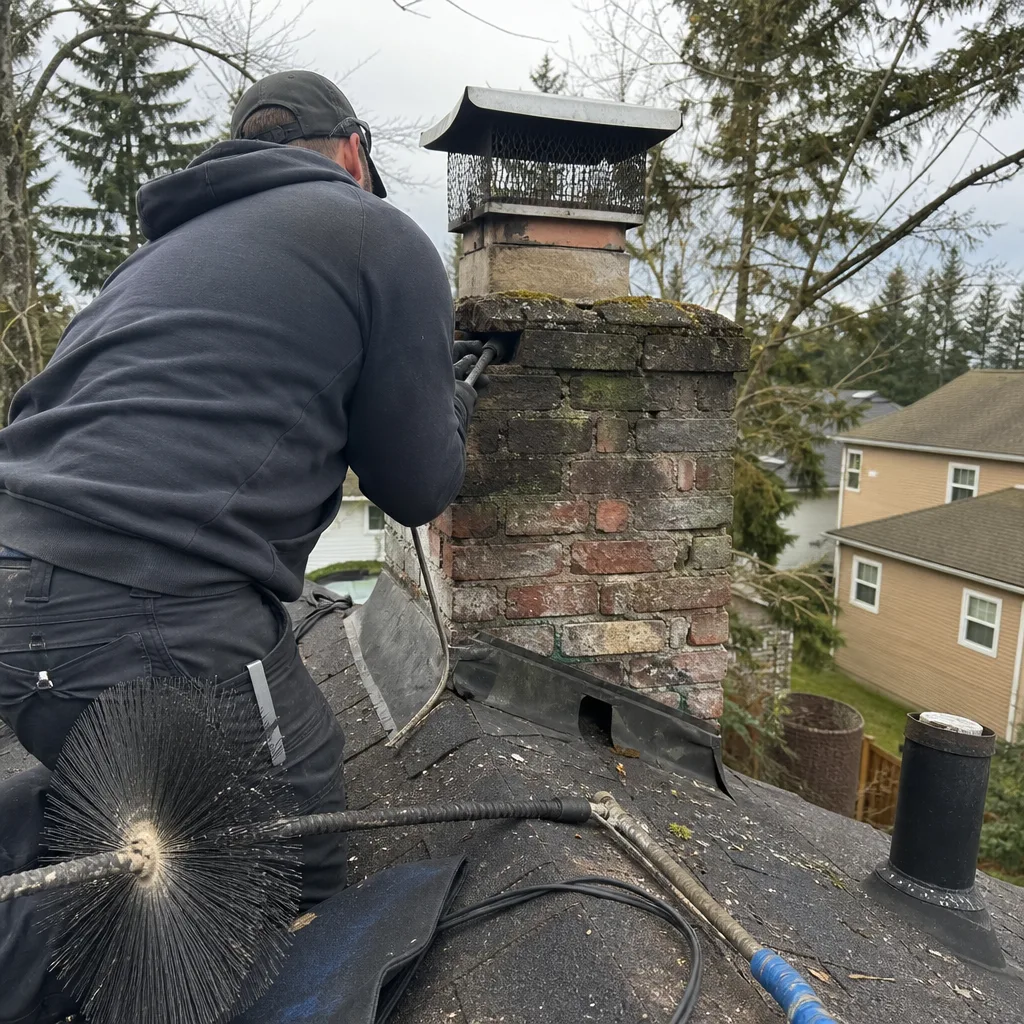 Before
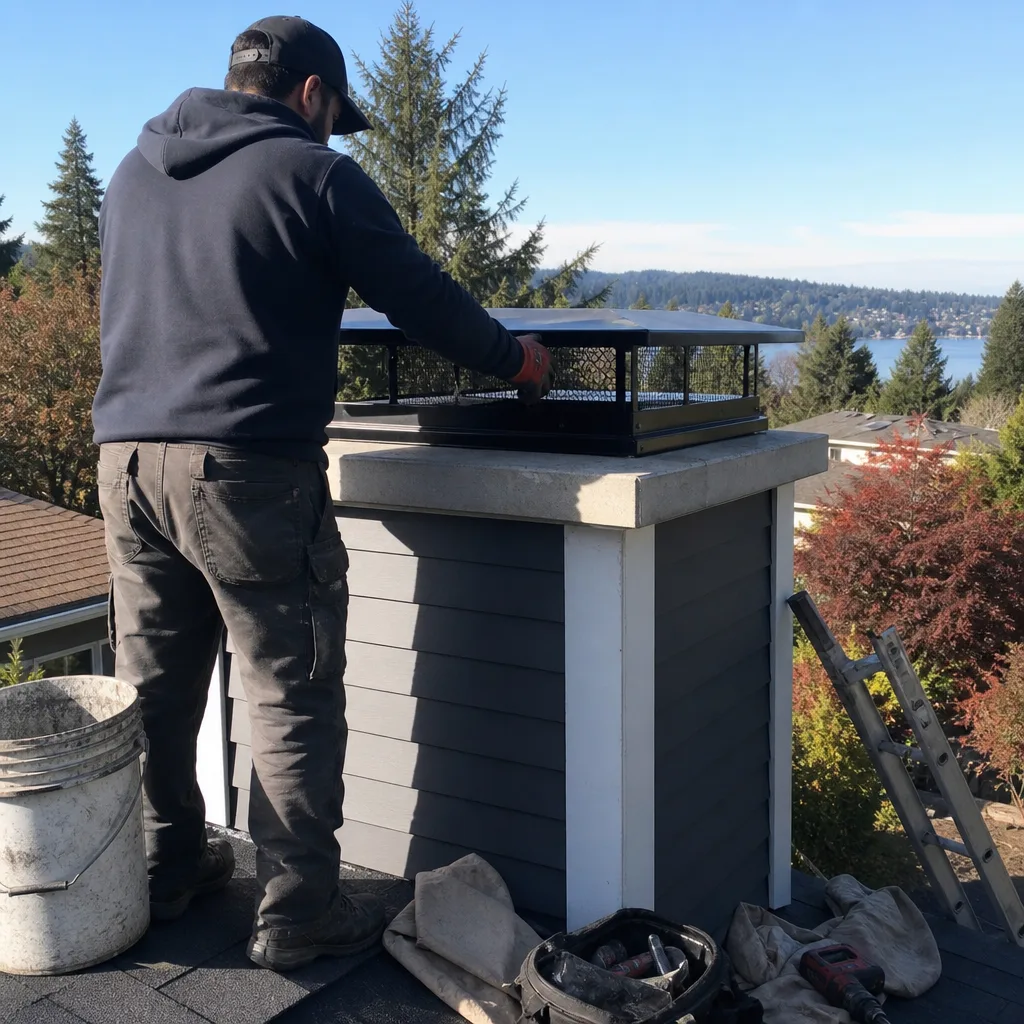 After
After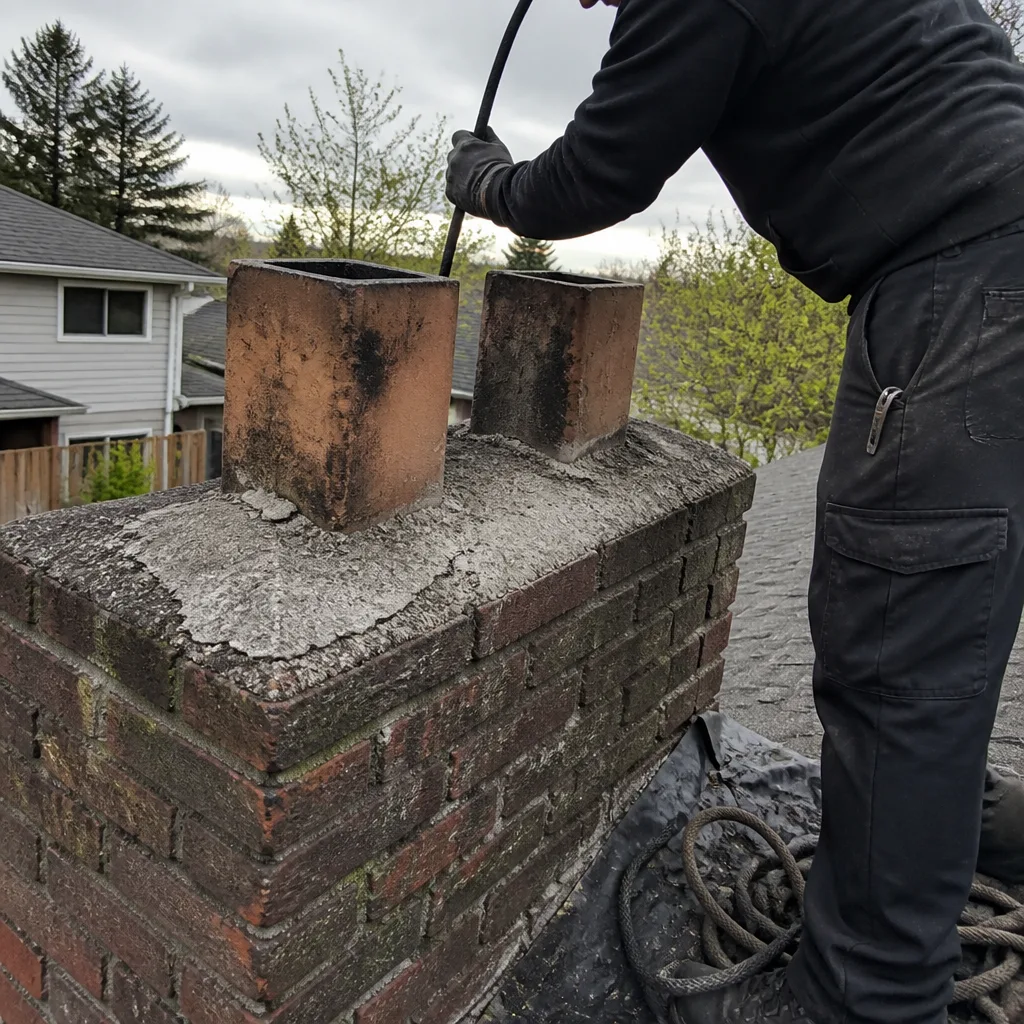 Before
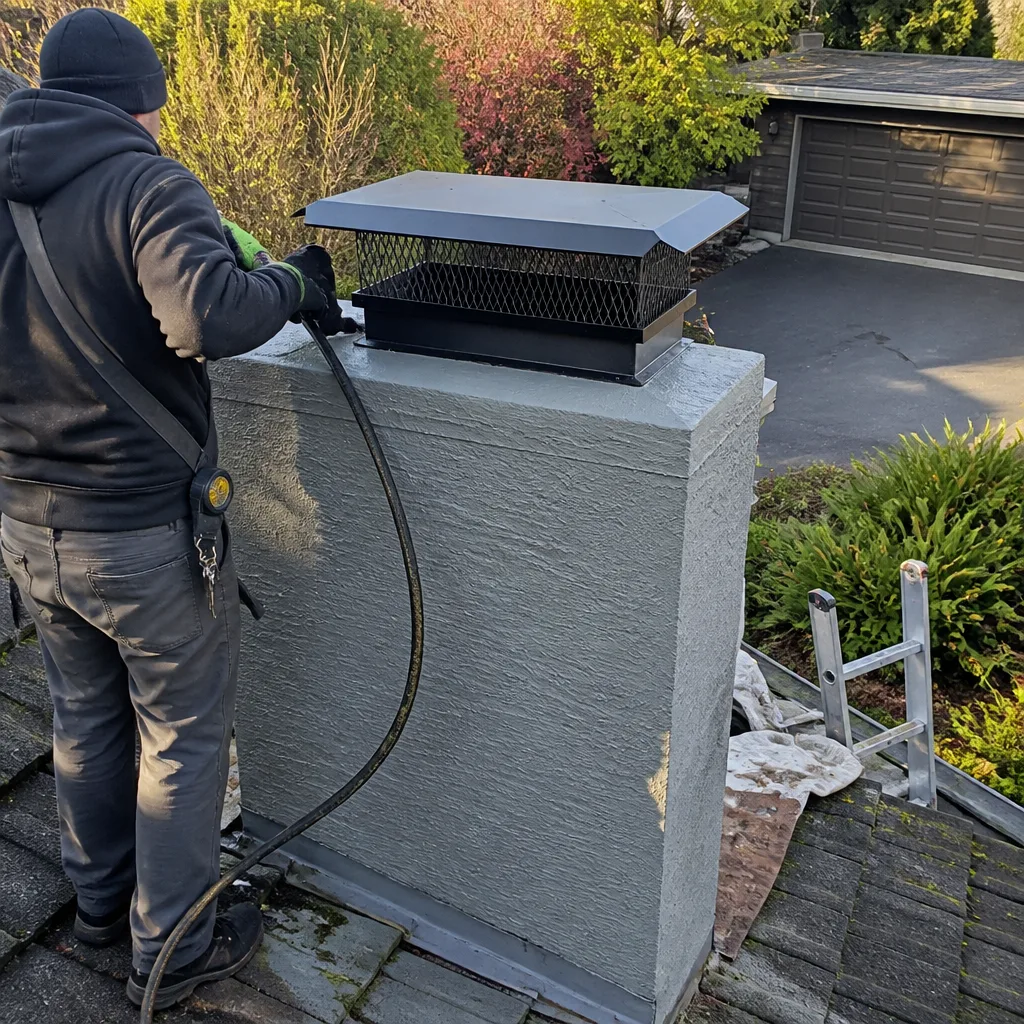 After
After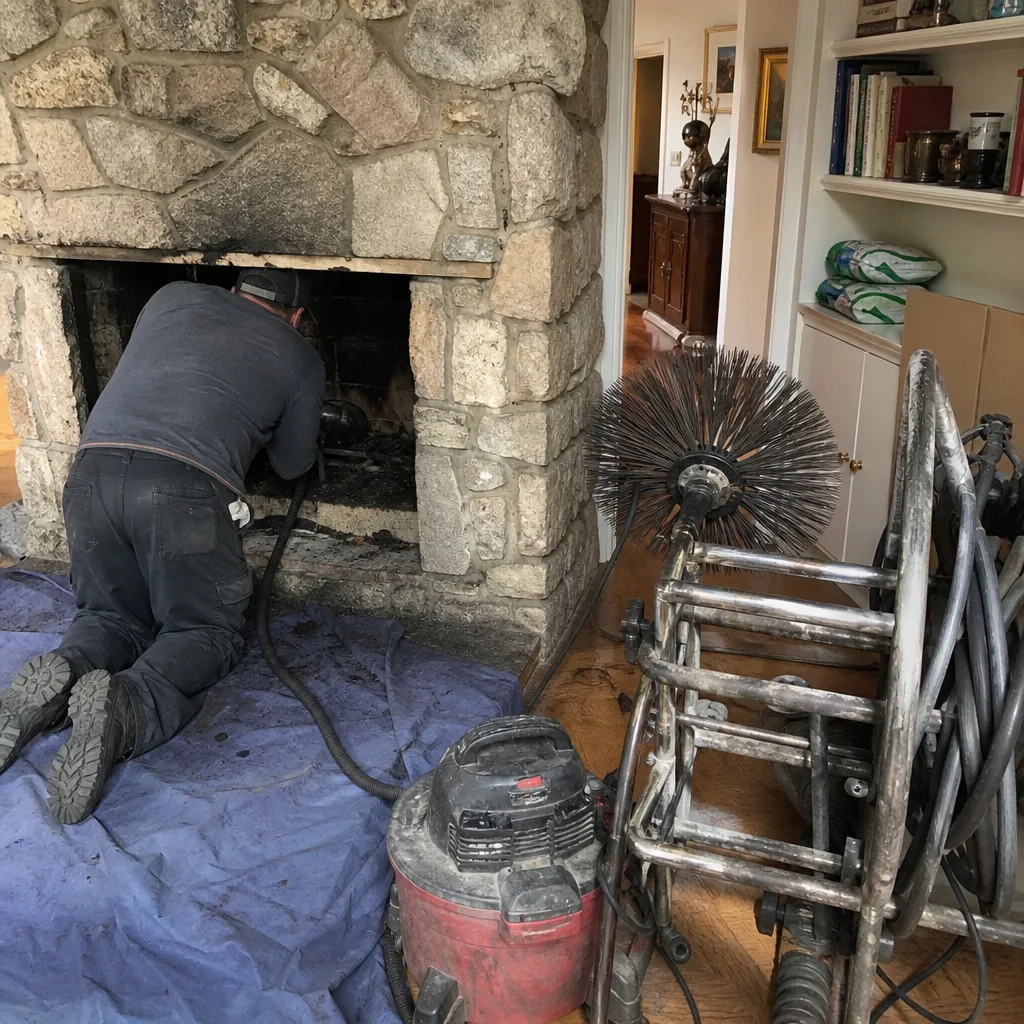 Before
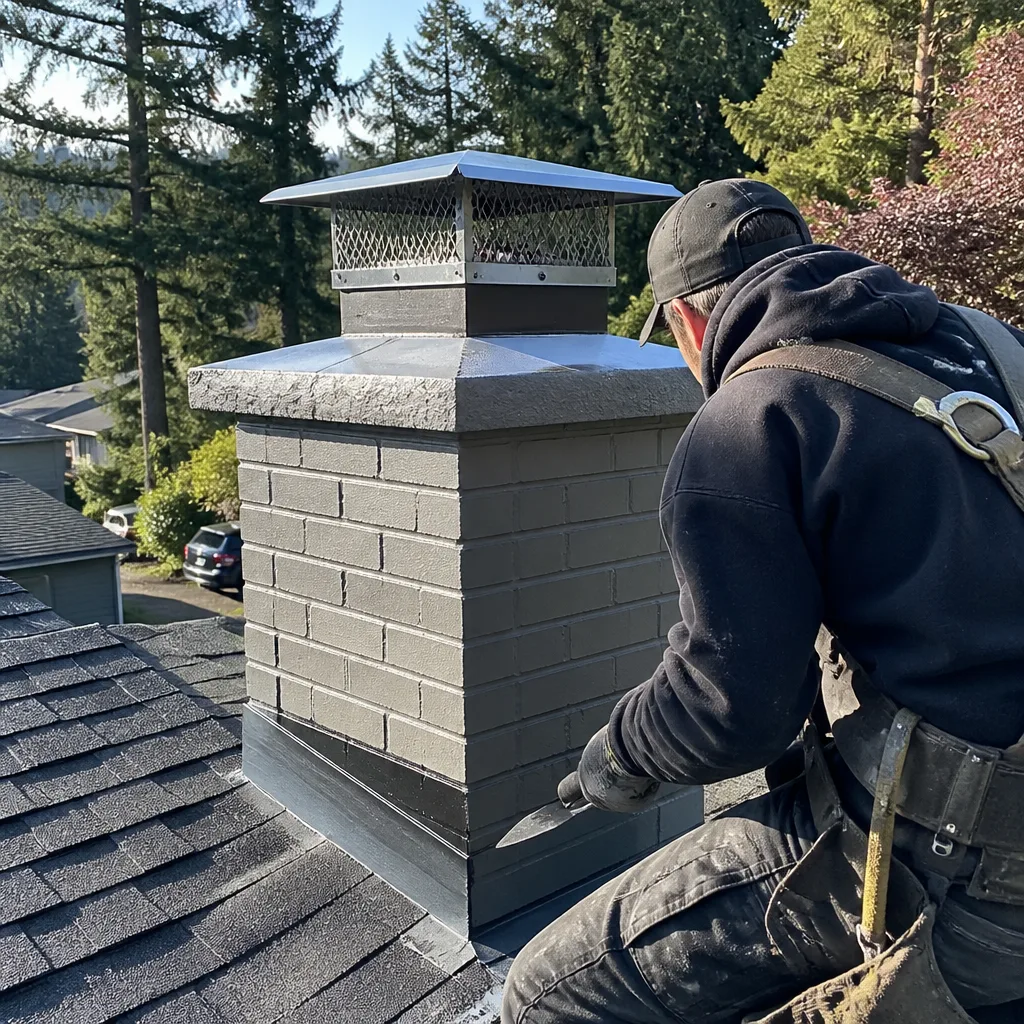 After
AfterFireplace Cleaning in Kirkland, WA
Fireplace cleaning in Kirkland typically runs $189 to $349, depending on creosote buildup, fireplace type, and whether a camera inspection is part of the visit – which at Emberly Chimney Cleaners Kirkland, it always is as part of our Chimney Cleaning & Sweep services. Most appointments are completed in 90 to 120 minutes, and you’ll have a written price in hand before our technician touches a single brush.
If you’ve been burning wood in your Kirkland home through another wet western Washington winter, the firebox and smoke chamber have been working hard. Creosote accumulates season after season, and in our climate – where wood is often burned green or not fully seasoned – it tends to build faster and thicker than homeowners expect. A fireplace that looks clean from the hearth can have a glazed, sticky coating inside the smoke shelf or flue collar that won’t show up on a flashlight scan.
That’s the gap Emberly Chimney Cleaners Kirkland was built to close. Since 2009, we’ve completed more than 38,000 chimney inspections and cleanings across the region, every one with a written price before work started and a documented photo record when it was done. If you want to understand what fireplace cleaning actually involves – what we look at, what we charge, and what you walk away with – this page covers it. And if you’d rather just call, reach us directly at (425) 642-3485; a live person picks up 24 hours a day, 7 days a week.
Fireplace cleaning is one part of a broader scope that includes the full flue system. For context on how it fits, see our Chimney Cleaning & Sweep in Kirkland page.
When You Need Fireplace Cleaning
Kirkland sits in a pocket of the Eastside where older neighborhoods like Juanita, Bridle Trails, and Norkirk hold a lot of mid-century and early-1980s homes with original masonry fireplaces. Those systems weren’t built with airtight stoves or modern insert technology in mind, and they accumulate creosote differently than a newer prefab unit. Here are the situations that tell us it’s time:
- You burned wood regularly last season and haven’t had the system cleaned since. The NFPA 211 standard recommends annual inspection and cleaning for any fireplace in active use. One full heating season is enough to deposit a meaningful creosote layer – especially if you burned any softwood or green wood, which is common in Kirkland where cord wood supply quality varies.
- You notice a smoky odor when the fireplace isn’t in use. A persistent smoke smell, especially on humid days or when your HVAC switches to cooling mode and creates negative pressure, often points to a creosote-coated smoke chamber or a debris-blocked smoke shelf. This is a cleaning problem, not a draft problem – and those two are frequently confused.
- You can see dark staining on the firebox walls or damper throat. Visible soot streaking above the damper or along the back wall of the firebox is a surface signal; the harder-to-see deposits are on the smoke chamber slope above, where brushes don’t reach without the right equipment.
- A bird, squirrel, or raccoon got into the chimney. It happens more than people expect in Kirkland’s tree-heavy corridors near Juanita Bay and along the Holmes Point waterfront. Nesting material, animal debris, and the mess left behind can block airflow and introduce moisture deep into the firebox. This warrants a full cleaning and camera inspection before you light another fire.
- You’re buying or selling a home in Kirkland. Real estate transactions in King County increasingly require documented chimney condition reports. A fireplace cleaning paired with an NFPA 211 Level 2 camera inspection gives buyers and sellers a written record – not just a verbal “looks okay.”
- It’s been more than two years since the last cleaning, even with light use. Low-use fireplaces still accumulate moisture, spider webs, small debris, and sometimes light creosote deposits. The bigger risk with infrequent burns is that the system gets used without a current condition check – and intermittent fires don’t burn hot enough to flag problems the way regular use does.
Our Fireplace Cleaning Process
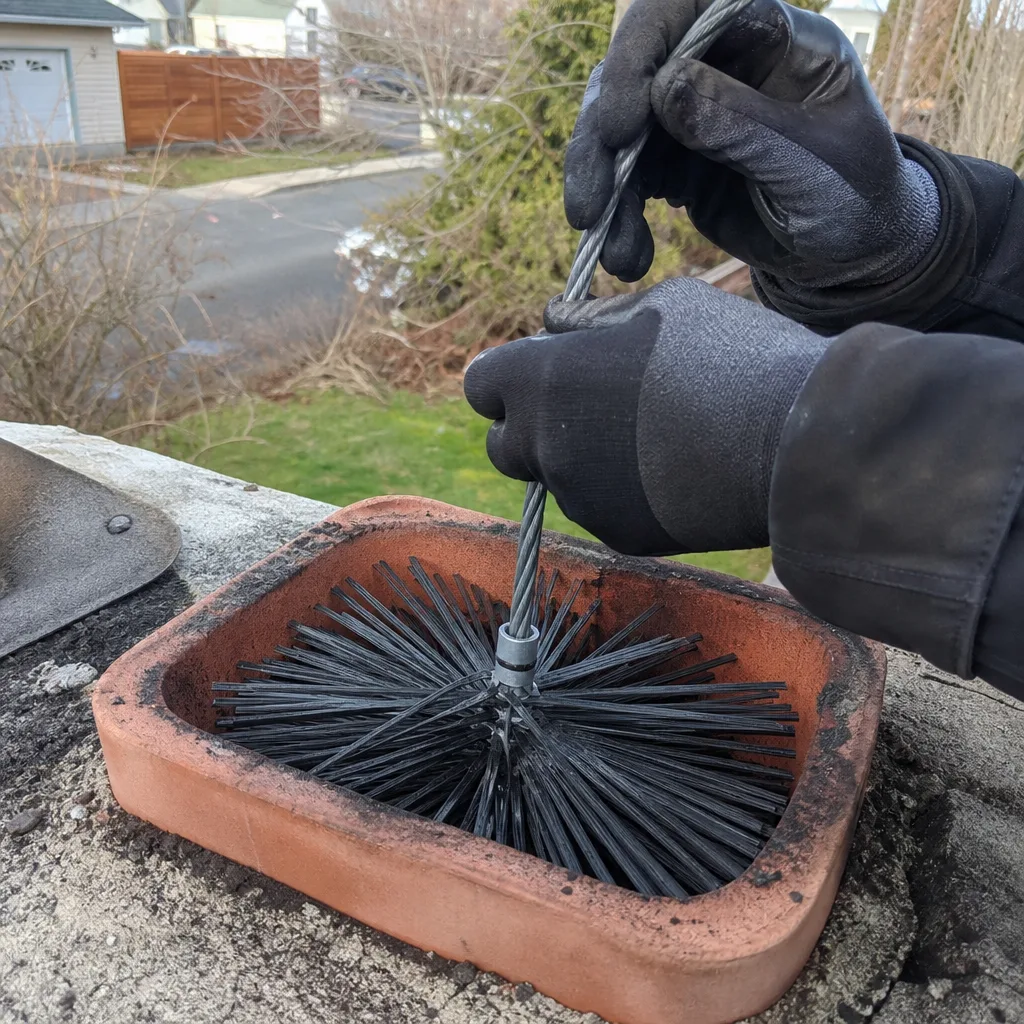
Here’s exactly what happens when a technician arrives for your Level 2 Inspection in Kirkland. Nothing starts until you’ve seen and signed a written price – that’s Clause 1 of the Haven Standard, and it’s not negotiable on any job we take.
- Pre-work walk-through and written quote. The technician walks through the fireplace area with you, identifies the system type (masonry, zero-clearance prefab, or insert), notes any visible concerns, and provides a written price and scope of work before any equipment comes out. If the scope changes during cleaning – which occasionally happens when camera footage reveals unexpected buildup – we tell you before the work changes, not after.
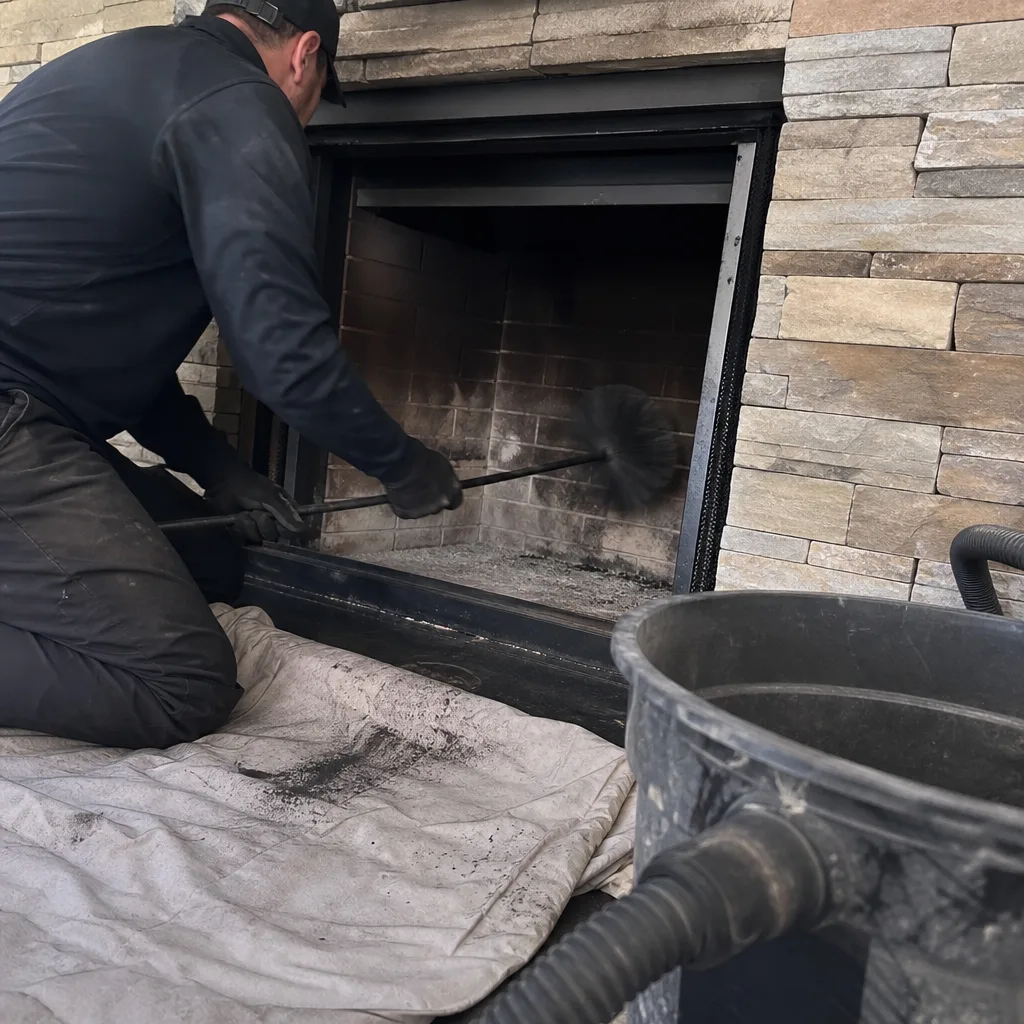
- Setup and containment. We cover the hearth, surround, and a floor zone in front of the fireplace before any brushwork begins. Kirkland homes with hardwood floors or light-colored carpet get extra protective coverage. The goal is to leave the space exactly as we found it – cleaner, actually, given what we pull out.
- Firebox and smoke shelf cleaning. We clean the firebox walls, floor, and back panel, then address the smoke shelf – the horizontal ledge directly above the damper that collects soot, debris, and a surprising amount of animal material in wooded neighborhoods. This is a step some sweeps skip or rush. We don’t.
- Smoke chamber brushing and vacuuming. The smoke chamber is the corbeled or parged space above the damper and below the flue liner. It’s the most creosote-prone area in a standard masonry fireplace and the one most homeowners have never seen up close. We brush the chamber walls, extract the debris, and inspect the parge coat (the smooth interior surface) for cracking or spalling. If we find significant parging damage, we note it in writing.
- Camera inspection of the flue liner. Every visit includes an NFPA 211 Level 2 camera scan of the flue from the firebox to the top of the chimney. The camera footage shows flue tile condition, joint separation, creosote class (Class I, II, or III), and any obstruction. You get still photos from the footage as part of your documented record – this is Haven Standard Clause 4, and it’s been our default since 2009. We use this record to describe exactly what we found, in plain terms, before we discuss any follow-up work.
- Post-cleaning summary and documentation. Before we leave, you have: a written record of what was cleaned, what the camera found, any conditions worth monitoring, and photos. If follow-up work is recommended – liner repair, damper replacement, smoke chamber parging – it comes as a separate written estimate, not a verbal add-on at the door.
BeforeAfterFireplace Cleaning Pricing in Kirkland
Fireplace cleaning in Kirkland runs $189 to $349 for most standard masonry fireplaces. That range covers the firebox, smoke shelf, smoke chamber, and a camera inspection of the flue liner, plus any needed Soot Removal. Here’s how the numbers break down by situation:
| Service | Typical Price Range |
|---|---|
| Standard masonry fireplace cleaning + camera inspection | $189 – $249 |
| Heavy creosote (Class II buildup, requires extended brushwork) | $249 – $299 |
| Class III glazed creosote (chemical treatment required) | $299 – $349+ |
| Zero-clearance prefab fireplace cleaning + inspection | $189 – $229 |
| Fireplace insert cleaning (unit pull-out may apply) | $229 – $349 |
| Smoke chamber parging repair (if needed, quoted separately) | $299 – $599 |
A few things affect where your job lands in those ranges:
- Creosote class. Class I is dry and flaky – straightforward to remove. Class II is tar-like and requires more passes. Class III is glazed and hard, and it requires a chemical treatment (we use products sourced through Haven’s supply network, including lines from Copperfield) before mechanical brushing. Class III work takes longer and carries a higher material cost.
- Last cleaning date. A fireplace that was cleaned 18 months ago and burned lightly will take less time than one that hasn’t been touched in four or five years. In Kirkland’s older Norkirk and Lakeview Hill neighborhoods, we regularly find fireplaces that haven’t seen a brush in a decade – those take more time and more passes.
- Access and system type. Standard masonry is the simplest. Inserts require pulling the unit, which adds time. Some zero-clearance units have limited access at the smoke chamber, which affects technique.
Every estimate is written, and every job is backed by the 365-Day Done Right Promise: if it’s not done right, we make it right. We also offer a Free Second Opinion on any written estimate you’ve already received from another company – bring us the paperwork and we’ll review it at no charge.
Call (425) 642-3485 to schedule or to get a written estimate. No voicemail, no web form – a live person answers.
FAQs – Fireplace Cleaning
How often should I have my fireplace cleaned in Kirkland?
Once per year is the right interval if you use your fireplace regularly during the heating season. NFPA 211 recommends annual Level 1 Inspection and cleaning for any solid-fuel burning appliance in active use. Kirkland’s wet climate is part of the reason: wood burned in the Pacific Northwest is often not fully seasoned, which means it produces more creosote per cord than kiln-dried hardwood would. If you burned more than two or three cords last season, don’t wait longer than 12 months. If you burned lightly or only a handful of times, a two-year cycle is acceptable – but have the system camera-inspected at the 12-month mark regardless. Call us at (425) 642-3485 and we’ll tell you exactly what interval makes sense for your setup.
What’s the difference between fireplace cleaning and chimney sweeping?
Fireplace cleaning focuses on the firebox, smoke shelf, and smoke chamber – the components inside and just above the fireplace opening. Chimney sweeping addresses the full flue liner from the smoke chamber to the top of the chimney, plus the chimney crown, cap, and exterior. At Emberly Chimney Cleaners Kirkland, fireplace cleaning always includes a camera inspection of the flue, so the two scopes overlap by design. We don’t clean the firebox and ignore what’s above it. If you want the full picture of how these services connect, the Chimney Cleaning & Sweep in Kirkland page covers the complete scope in detail.
Can I use my fireplace between now and the cleaning appointment?
If the only issue is routine annual creosote buildup and you’re not seeing smoke spillage into the room, a short wait is generally fine for light use. But if you’re noticing a strong smoke smell, visible dark staining around the damper area, or any smoke coming into the room, stop using the fireplace until it’s been cleaned and inspected. Those symptoms can indicate a partial blockage or significant creosote accumulation, and burning against those conditions accelerates the risk of a flue fire. When in doubt, call (425) 642-3485 – a live technician can help you assess over the phone before you schedule.
What documentation do I get after a fireplace cleaning?
You get a written record of what was cleaned, still photos from the camera inspection of your flue liner, the technician’s written notes on any conditions found (liner joint integrity, smoke chamber parging condition, damper operation), and – if anything warrants follow-up work – a separate written estimate for that work with a clear scope and price. This is Haven Standard Clause 4: a documented photo record is included on every visit, not sold as an add-on. The photos and written summary are yours to keep, share with a real estate agent, or use to compare against future visits.
Why Kirkland Homeowners Choose Emberly Chimney Cleaners
The short version: we show our work. Every job since 2009 has come with a camera inspection, a written price up front, and a documented record at the end. Across more than 38,000 visits, that hasn’t changed.
The longer version matters for Kirkland specifically. This is a city where homes range from 1960s split-levels in Bridle Trails to newer construction near downtown and the waterfront, and fireplace systems vary just as widely. A prefab zero-clearance unit in a 2018 build on Lake Street behaves completely differently from a hand-laid masonry system in a 1974 Juanita rancher. We’ve worked on both, and a lot of everything in between. The camera tells us what we’re actually dealing with – not what we assume from a glance.
Our technicians are background-checked, uniformed, and assigned by name before your appointment. You get a text when they’re on the way. License information is on the page. The work is quoted in writing before it starts, and the 365-Day Done Right Promise covers every job under the Haven Standard. Materials, when needed, come from supply lines that include Copperfield and other names you can look up – sourced through Haven’s buying network to keep costs honest.
We’re independently owned and operated, and we work to the same standard on every job – whether it’s a quick annual cleaning in Norkirk or a more involved smoke chamber repair on a lakefront property in Holmes Point.
Schedule Your Fireplace Cleaning in Kirkland
If your fireplace is due for a cleaning – or you’re not sure whether it is – call (425) 642-3485. A live person answers 24 hours a day, 7 days a week. We’ll walk through your system, give you a written price before anyone shows up, and leave you with a documented photo record when the work is done. The estimate is free, and if you have a written quote from another company, bring it – we’ll give you a free second opinion on it.
Emberly Chimney Cleaners Kirkland serves Kirkland and surrounding Eastside communities. To learn more about the full scope of what we do, start at our home page.
Written by Corrine Halstead, Owner at Emberly Chimney Cleaners Kirkland, serving Kirkland.